

Bridging the Online-to-Offline Attribution Gap
Roses Discount Stores overcame the challenge of attributing offline sales to online marketing campaigns without traditional tracking mechanisms. Through innovative footfall tracking implementation, the retailer was able to demonstrate significant campaign-driven visitor increases, leading to impressive revenue growth and more strategic marketing budget allocations.
The Attribution Challenge
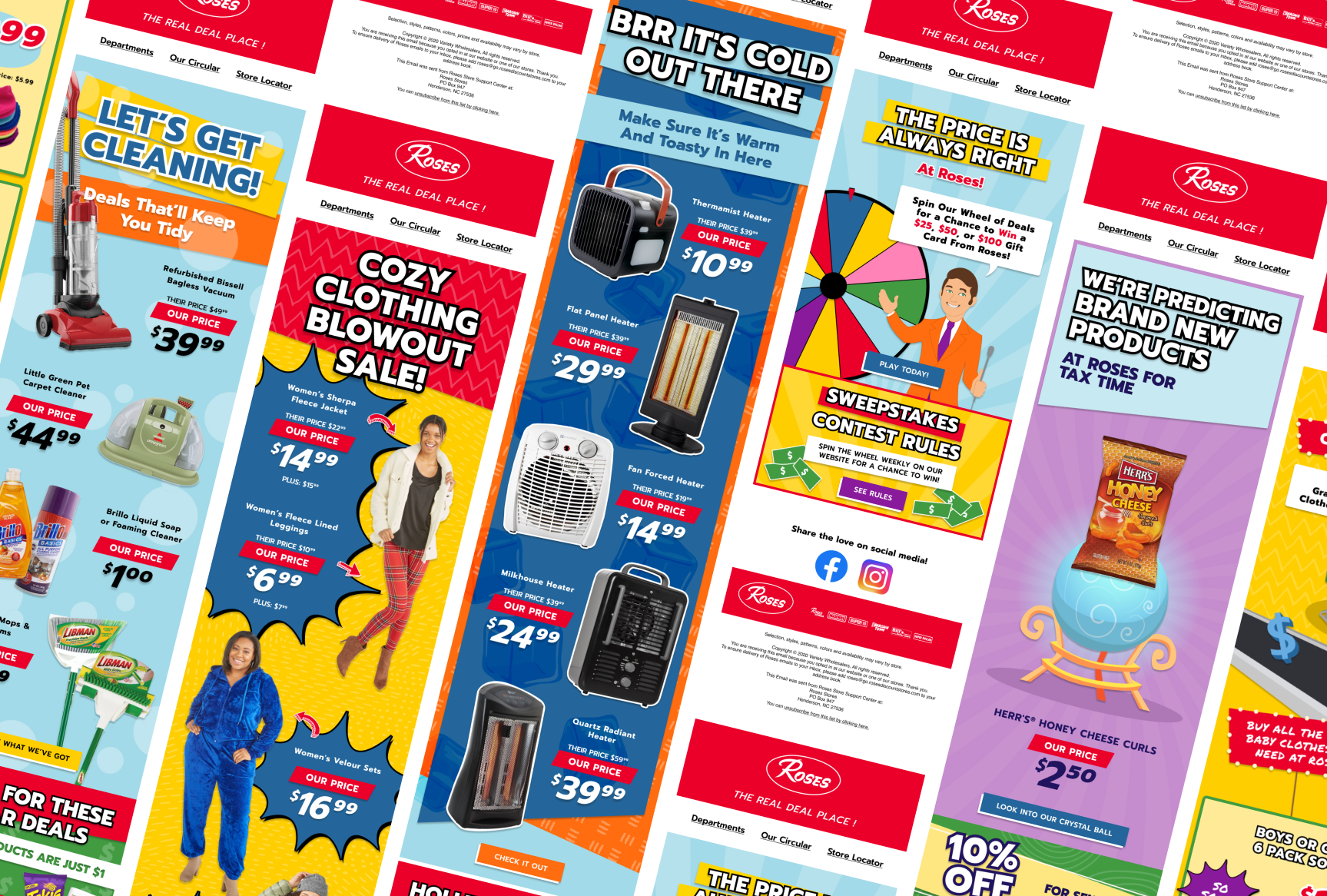
Like many traditional retailers, Roses Discount Stores faced a significant marketing measurement challenge: how to attribute in-store sales to their digital marketing efforts accurately. Without an e-commerce platform or a trackable point-of-sale system that could connect online interactions to in-store purchases, marketing effectiveness remained difficult to quantify.
This attribution gap created obstacles for the marketing team when justifying campaign spending and optimizing channel strategy. The challenge was particularly acute for a discount retailer like Roses, where the customer journey typically begins online but concludes with an in-store purchase - leaving a critical measurement blind spot between digital touchpoints and register transactions.
The Challenge
To bridge the digital-to-physical gap, Roses implemented a comprehensive footfall tracking system across all store locations. This technology enabled the retailer to measure actual store visits and connect them to exposure to digital marketing campaigns.
Implemented precisely targeted search campaigns using a mix of branded, non-branded, and competitor-based keywords. Geographic targeting focused on the RDU service area, with audience segmentation based on travel behaviors and demographics.
-
Demonstrate campaign-driven visitor lift with accurate measurement
-
Identify seasonal trends in store traffic patterns
-
Balance offline and online performance metrics
-
Provide data-driven justification for marketing investments
The Challenge
To bridge the digital-to-physical gap, Roses implemented a comprehensive footfall tracking system across all store locations. This technology enabled the retailer to measure actual store visits and connect them to exposure to digital marketing campaigns.
Implemented precisely targeted search campaigns using a mix of branded, non-branded, and competitor-based keywords. Geographic targeting focused on the RDU service area, with audience segmentation based on travel behaviors and demographics.
-
Demonstrate campaign-driven visitor lift with accurate measurement
-
Identify seasonal trends in store traffic patterns
-
Balance offline and online performance metrics
-
Provide data-driven justification for marketing investments
The airport faced the challenge of driving higher adoption rates of its parking options among travelers who might otherwise choose competing services.
Campaign Results
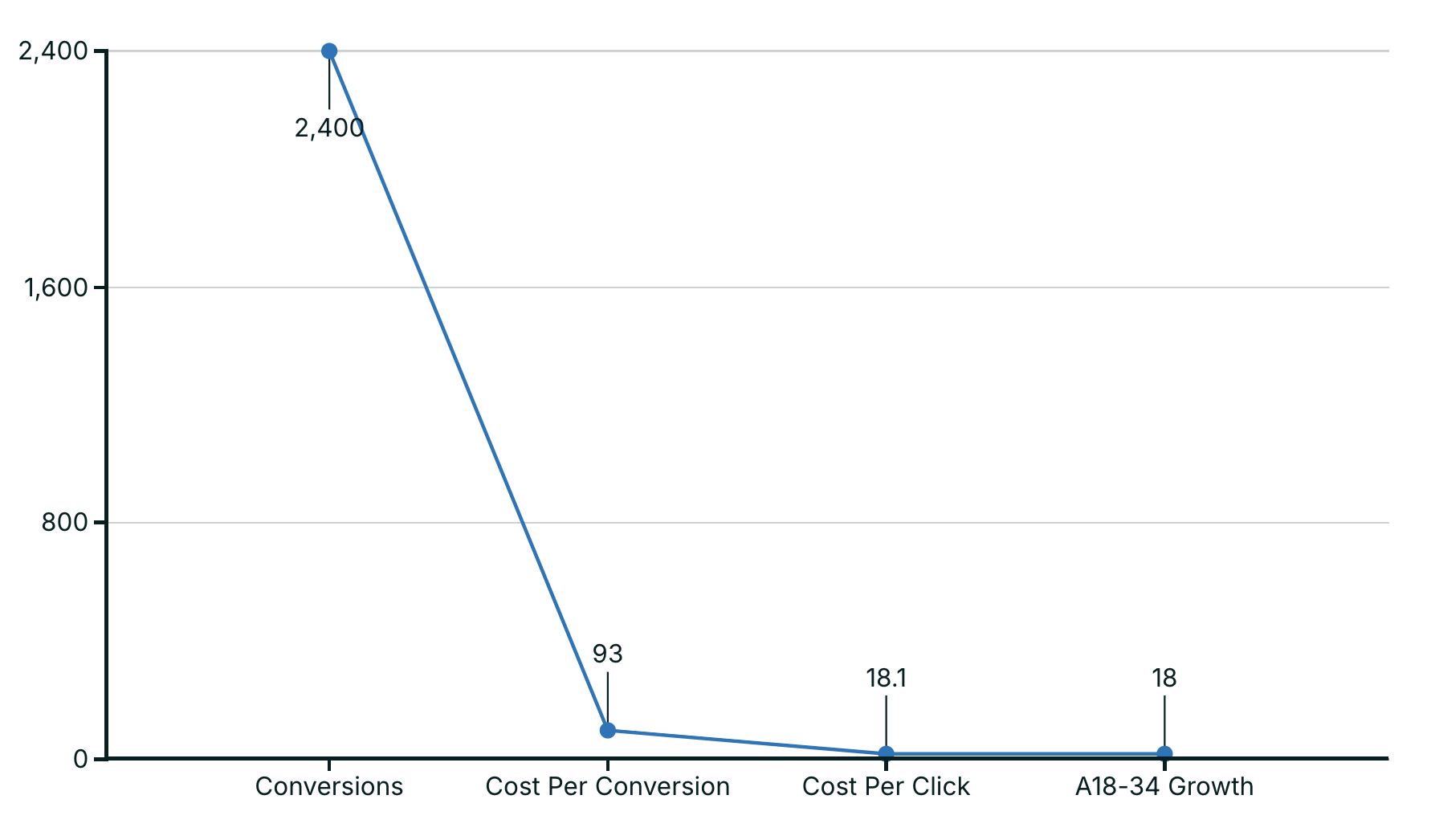
2400%
Conversion Increase
93%
CPCO DECREASE
18.1%
CPC DECREASE
The Key Takeaways and Business Impact
RDU's parking campaign demonstrates how airports can successfully compete in the increasingly crowded ground transportation market through strategic digital marketing. By combining precise targeting, compelling messaging, and optimized campaign structures, RDU was able to drive substantial growth in parking revenue while simultaneously improving marketing efficiency. This case study provides a blueprint for other airports and transportation hubs looking to enhance their parking business performance in competitive markets.
Segmentation Drives Results
The hyper-targeted approach to both messaging and audience segmentation proved crucial to the campaign's success, allowing for more relevant communications with potential customers.
Performance Max Effectiveness
Google's Performance Max campaigns demonstrated exceptional value in reaching customers across multiple touchpoints with optimized messaging and creative assets.
Demographic Expansion
The successful growth in the A18-34 demographic segment shows the potential for airports to expand their parking customer base beyond traditional users.
Efficiency and Effectiveness Balance
The campaign achieved the rare combination of both improved efficiency (lower costs) and enhanced effectiveness (higher conversions), maximizing return on investment.
Get in touch
Let's Start Something.
Tell us about your project, your challenge, or your ambition. Please fill out the form and we'll get back to you as soon as possible.